
July 08, 2025
Using water in a radiator may sound like a simple solution for the overheating of your car’s engine. But did you consider whether it is safe or not? While water cools down many elements and even it can be used as a temporary fix in emergencies, it is not suitable as your car coolant.
To know more in detail, this blog will guide you on when it is fine to put water in a car’s radiator and when it becomes risky. Along with that, the importance of coolant, how to handle radiator leaks and how to maintain your car’s radiator in the correct way.
When Is It Safe To Put Water In A Radiator?

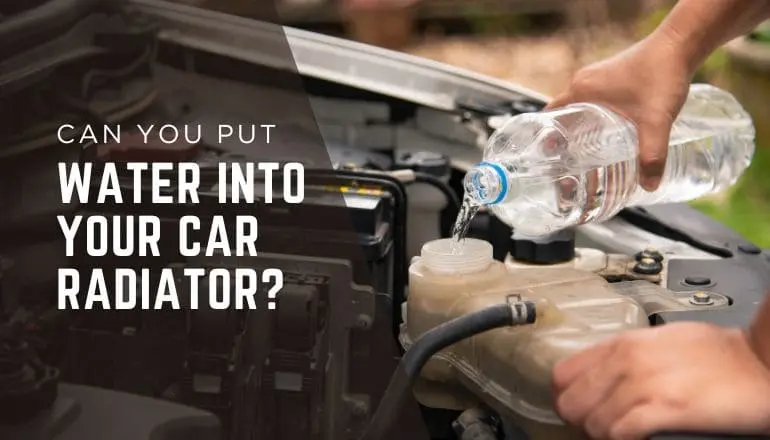
In an emergency, like when your car is stranded with an overheated engine, adding water as coolant car radiator is acceptable. This situation can arise like if your coolant level is low and you are far away from getting help, clean tap or bottled water can help to regulate the car’s temperature temporarily.
However, this process should only be a short-term solution because water lacks the protective properties of coolant, and it can lead to corrosion, overheating or freezing if used for a longer period. Once you are safe, always replace the water with ideal coolant for your car.
1. You can use water in your car’s radiator if:
2. There is an emergency situation
3. Use clear water if coolant is not available
4. Don’t use water for the long term
5. Replace with coolant as soon as possible
You may add water to car radiator, but this should not become your regular routine.
Why Is Coolant Better Than Water In A Radiator?
Car coolants are also known as antifreeze, they are specifically formulated liquids that are designed to keep your engine at operational temperature while driving. It protects your car’s engine from extreme heat and freezing temperatures. These fluids are filled with anti-corrosive agents that distilled water lacks.
Although water in car coolant is able to temporarily cool down your engine, it boils at a lower temperature, and it freezes easily. This implies that it cannot protect your engine in hot or cold weather. Also, if you are thinking of using water with coolant, it may damage your radiator and the engine parts.
Even if you are considering using distilled water with coolant, you should consult a car mechanic for filling the radiator. A proper coolant is a mix of essential fluids that are essential to keep your car operational.
Key Differences Between Coolant vs Water
While maintaining your coolant system, use car engine coolant from a trusted source. If you notice signs of overheating or leaking, go for a car inspection as soon as possible. To better understand the differences between coolant vs water, here is a comparison table presented below:
| Feature | Coolant | Water Alone |
|---|---|---|
| Boiling Point | Higher, typically at 260°F/126°C | Lower at 212°F/100°C |
| Freezing Protection | Protects below 0°C | Freezes at 0°C |
| Corrosion Protection | Yes, it contains inhibitors | No, it can cause rust |
| Lubrication | Yes, it helps to protect components | None |
| Long-Term Use | Safe and recommended | Unsafe for long-term use |
| Emergency Use | Ideal for all situations | Only safe in short-term emergencies |
Risks of Using Just Water In A Radiator
First, it does not prevent rust as coolant does. Over time, water has the potential to ruin your radiator, hoses, and engine block.
Second, water does not handle temperature extremely well. During cold weather, it can freeze and crack engine parts. In hot conditions, it can boil over, which can cause the car to overheat. So, it is better to get your car checked by a radiator specialist, who can offer you quick diagnostics and cooling system inspections.
Also Read: Overfill Coolant by Mistake? Here’s What You Should Do!
Signs Of Radiator Or Coolant Issues
Recognising the health of your cooling system helps you to save high repair costs while maintaining your car’s longevity.
Common signs of a car radiator fluid leaking or related issues are:
1. The engine temperature gauge is rising unusually
2. Steam coming from under the hood
3. Low coolant reservoir levels
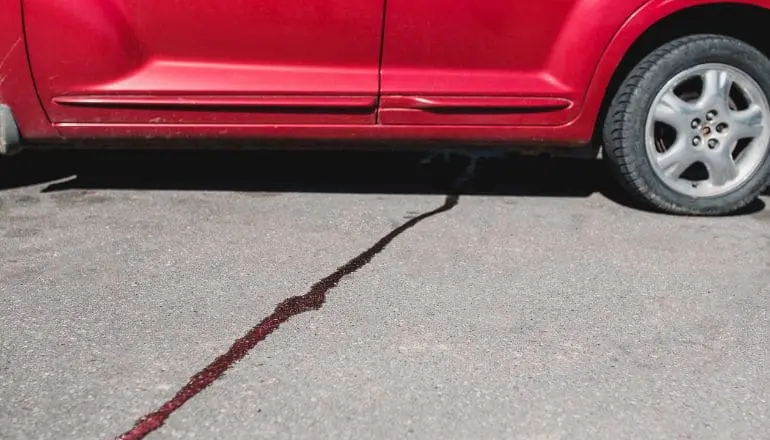
4. Puddles or stains under the car
5. A sweet smell from the engine area
If you are noticing coolant leaking from bottom of car, investigate immediately. This symptom can show the underlying problems with the radiator, water pump or hoses. Driving without addressing these issues can lead to engine overheating and severe damage.
To protect your car from this, automobile repair shops conduct thorough inspections of the core issues related to all aspects of cars. They can suggest the best step you can take to improve your car’s efficiency.
What To Do If You Notice a Leak?
Before contacting a coolant leak repair service, you should perform these steps:
1. Pull over and turn off the engine immediately
2. Wait until the engine cools before opening the hood
3. Check for visible signs of radiator fluid leak
4. If needed, top up with water or coolant temporarily
In the next step, you can tell your concerns to the auto repairs Perth, they often have all the required professional tools for proper diagnosis.
How To Add Water or Coolant Properly?
When you notice the antifreeze fluid leaking from the engine or the radiator is becoming empty, it is suggested to fill the coolant with the help of an auto mechanic. Then can guide you best as per your car needs.
Car service providers usually have multiple experiences in fixing radiator-related issues if antifreeze is leaking from bottom of car.
Also, avoid using add water instead of coolant as a habit. This activity degrades your engine’s performance and leads to faster component wear.
Best Practices for Radiator Maintenance
Keep your cooling system in good condition by:
1. Checking coolant levels monthly
2. Flushing the radiator every 1–2 years or as per your car’s manual
3. Using the correct coolant type for your vehicle
4. Monitoring for signs of a radiator fluid leaking from engine
5. Consulting a repair shop for routine inspections
Conclusion
In emergency situations, using water in the radiator only offers a temporary solution. In contrast, coolant is designed to protect your car’s engine from heat, corrosion, and freezing. Regular maintenance and timely radiator repairs Perth help to improve your car’s health. To ensure this, visit an auto repair shop for a thorough inspection and professional advice.
FAQs
1. Can I drive long distances with only water in my radiator?
Answer:
No, long-distance travel with just water can damage or overheat your car’s engine. It is not an ideal solution, but it should only be there on a short-term basis until you are able to have it refilled with the proper coolant.
2. What type of water is safest to use in an emergency?
Answer:
If you have to add water to car coolant, then the best solution is distilled water. it does not have minerals that lead to build-up in the corrosion.
3. How do I know if my radiator needs flushing or replacing?
Answer:
When you notice rusty coolant, overheating or frequent leakages in the area of the radiator, consider getting help from experts. An automobile mechanic will be able to trail and ascertain whether it needs flushing or a replacement.
4. Can low coolant damage other parts of my engine?
Answer:
Certainly, the low coolant is a possible cause of overheating and extensive damage to engine parts. It can damage the head gasket, water pump or cylinder heads.
5. What should I do if my coolant keeps disappearing?
Answer:
It is possible that your coolant is leaking inside or your radiator cap is broken, and so, the coolant is leaking. Go to an auto shop or radiator expert to address such issues.