

October 13, 2025
Keeping your car’s combustion chamber in an optimal condition often comes down to timely radiator repairs Perth. Local conditions such as summers, stop-start traffic and towing place high demands on cooling systems. If a radiator develops a leak, clog or crack, overheating can occur quickly and it can lead to engine repairs. To avoid such outcomes, this guide presents to you how radiators function, the early signs of problems, maintenance steps to extend their life and when you should seek professional guidance.
What Does A Radiator Do?
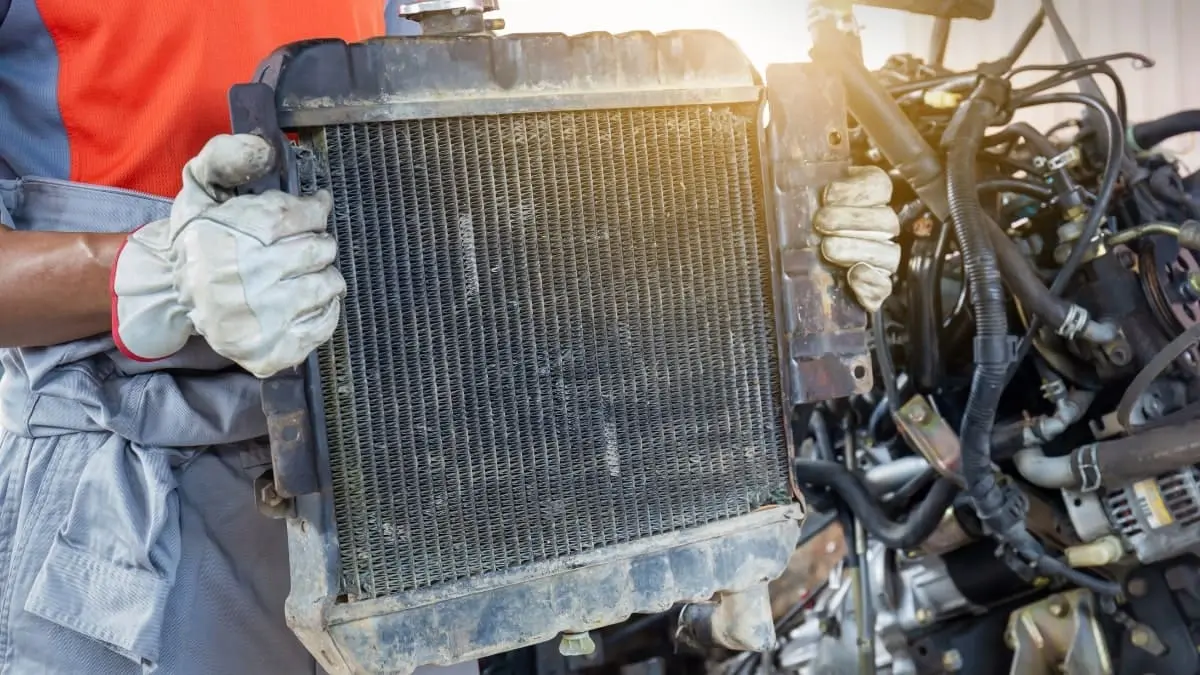
Your car’s radiator is the heart of its cooling system. It transfers heat from the engine into the air and allows the vehicle to run at the optimal temperature. Without this system, overheating can quickly cause damage to the engine.
In Perth, high summer temperatures put extra load on cooling systems, while coastal air makes it prone to corrosion. Along with that, dust and debris from regional drives can clog fins and reduce the vehicle’s efficiency. An Auto Repair Shop can provide advice on protecting against these climate effects.
Also Read: Can You Put Water Into Your Car Radiator?
Some of the common reasons for radiator failure include:
1. Leaks: These are often caused by corrosion or physical damage.
2. Clogging: Dirt, rust particles, or old coolant can block internal channels.
3. Cracks: Sudden temperature shifts or aging components can lead to cracking.
4. Corrosion: Salt in the air near coastal regions can deteriorate metals more quickly.
If these issues arise, visiting an auto mechanic shop allows for expert inspection and timely fixes.
Also Read: Coolant Leaking From Car’s Bottom – Signs & Solution
Signs You Need Radiator Repairs Perth
Are you uncertain whether your car’s radiator is having issues? The following symptoms often indicate that it is time for car service Perth:
1. Overheating:
If the temperature indicator rises to the red, this is a sign that the cooling system is not working.
2. Steam or sweet smell under the bonnet:
Escaping coolant has an unpleasant smell.
3. Coolant spills:
Green, pink, or orange puddles beneath your car are obvious indicators of trouble.
4. Low coolant levels:
If the reservoir continues to empty without apparent leaks, it is worth a check-up by a professional.
5. Stained coolant:
Rusty or sludgy fluid is indicative of contamination or corrosion within the system.
These warning signs are part of a wider category of car repair services, which ensure your vehicle stays safe on the road.
Maintenance Tips from Local Experts
Radiators work in a high-stress environment. The long summer, traffic, and regular towing make up the necessity to adhere to a strict maintenance routine. Mechanics suggest some of the most important practices that can contribute to the lifespan and avoid expensive car radiator repair.
1. Regular Inspections and Visual Checks
It is quite efficient to check the cooling system once a month so that the small issues can be noticed before they become bigger. When the engine is cold, check the level of coolant by checking whether the level is between the minimum and maximum marks. Hoses and clamps must be checked with regard to cracks, bulges, or dampness that indicates leaks.
The radiator face can be used to accumulate insects, dust and other debris, which tend to block airflow and should be carefully cleaned with low-pressure water or compressed air. Workshops that provide radiator service Perth can carry out these inspections more thoroughly.
2. Coolant Use, Topping Up, and Replacement
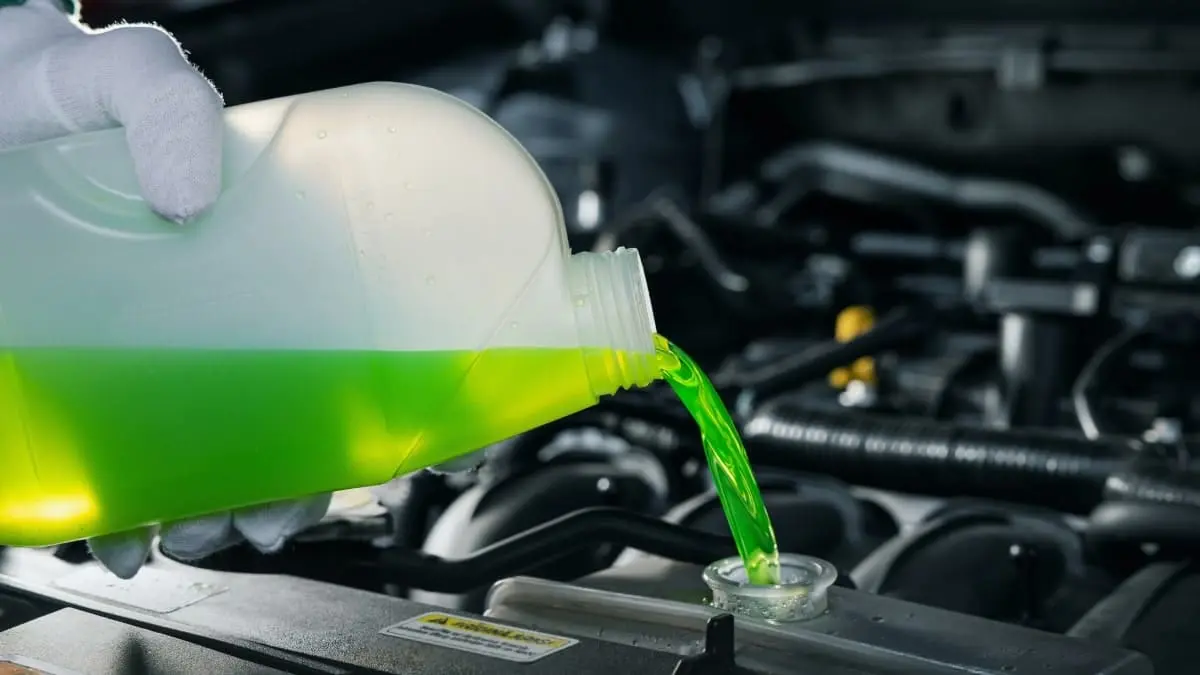
Coolant’s quality and level directly affect the radiator’s performance. Always use the coolant type recommended by the vehicle manufacturer because mixing different components can cause depositions and reduce corrosion protection. Coolants should only be topped up when your car’s engine is cold, since adding cold fluid in a hot system may damage plastic or metal components. This process is often combined with car cooling system repair Perth for better long-term performance.
3. Avoiding Overload and Heat Stress
The weight of the vehicle directly affects the temperature of the engine. Excessive weight and over-towing can cause the radiator to be overworked, and therefore increase the probability of failure. Perth traffic also accumulates heat stress easily, especially in summer. You can prevent the strain by using steady speeds, not spending much time idling, and moderate use of air conditioning when feasible. Shaded parking reduces the amount of heat that gets captured under the bonnet and the cooling system stabilises faster after a trip.
If your car is having persistent overheating, a visit to a radiator shop Perth can provide access to essential testing tools and replacement parts.
Also Read: Overfill Coolant by Mistake? Here’s What You Should Do!
When to Seek Professional Radiator Repairs Perth?
Continuous leakage of coolant, visible cracks in the radiator core or overheating even after refilling coolant are all indications that it should be done professionally. To detect non-visible leaks and blockages, Perth radiator specialists perform pressure testing to detect these issues in an initial examination. Depending on the test results, they recommend repair or complete replacement of the radiator.
Final Thoughts
Routine inspections and radiator repairs in Perth workshops are the key to the difference between regular maintenance check-ups and extensive engine damage. The climate of Perth exerts special stress on the cooling system and it is always important to pay attention to leaks, the level of coolant, and the warning signs. By taking the proper care by maintaining the car’s radiators and consulting professionals where necessary, you can extend the life of the vehicle’s radiators, save on repair expenses and keep it safe all through the year.
FAQs
1. What causes radiator leaks and how serious are they?
Answer: 1
Radiator leaks are usually a result of corrosion within the core, cracks in plastic tanks or deteriorated hoses and clamps. They lower the cooling performance, hence quickly implementing them will save the engine from the additional work.
2. How often should I flush my radiator in Perth?
Answer: 2
The manufacturers suggest that radiator flusing after every 2-5 years, or the frequency provided in the owner’s manual. Because of the hot weather in Perth, manufacturers advises to stay within the lower range of that range.
3. Can I use sealant to fix a leaking radiator?
Answer: 3
Sealant is a low-cost but short-term solution as it can slow or prevent the leakage of very small ones. To have a reliable repair, particularly on large leaks or on frequent problems, you should seek a professional.
4. How long does a radiator replacement take?
Answer: 4
The process of a typical radiator replacement at a workshop is two to four hours. Certain vehicles might require more time when there is no access to the radiator or if additional components require any attention.
5. Is it affordable to repair or replace the radiator?
Answer: 5
Small leaks or minor damage are often inexpensive to repair. Replacement is more valuable and reliable in the long term when there exists corrosion, blockages, or cracked cores.