

January 13, 2026
In modern vehicles, car engine repair is closely connected with getting consistent performance and mechanical balance. Every journey, whether it is a short commute or a long drive, depends on the smooth performance of your vehicle’s engine. Over time, operating conditions and usage patterns influence how these systems perform in terms of fuel consumption and the electronic control system. Thus, understanding the factors that affect engine operations and the methods mechanics use to restore its efficiency assists you in maintaining the performance of your vehicle.
Defining Car Engine Failure
Engine failure is a situation where your car’s engine is unable to perform its intended function efficiently. This condition can reduce your vehicle’s performance and may require immediate attention from professional engine repair services. Thus, early identification of the car engine’s malfunction helps you get assistance for targeted solutions.
Causes of Car Engine Failure
Car engine failure can result from a variety of factors. Being aware of the following causes can help you identify early signs and take preventive actions.
1. Lack of Regular Maintenance and Servicing
Regular servicing of your vehicle from an auto shop Perth is critical to the life of the engine. Failure to change the oil, neglecting service schedules or inspection delays enable wear and contamination to accumulate inside the engine. In the long run, it results in high levels of friction, heating, and wear away of the parts.
2. Engine Overheating Issues
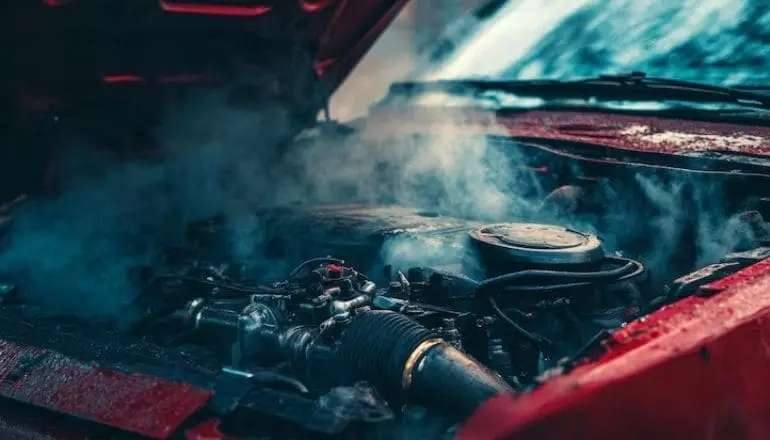
Some typical causes of car engine overheating include leakage in coolants, defective radiators, defective water pumps or defective thermostats. In case of engine overheating, metal parts stretch well beyond the limit. It results in a warped cylinder head or a broken gasket. If you notice any of these signs, it’s wise to seek professional car repair services to inspect and fix the underlying issue.
3. Oil Starvation and Lubrication Issues
Engine oil lubricates the moving parts, and it decreases friction. Barriers to proper lubrication include low levels of oil, oil passages being blocked or poor quality of oil. This situation is referred to as oil starvation and results in premature wear on bearings, crankshafts and pistons. In these cases, visiting a reliable engine repair shop for diagnostics and repairs is essential to bring back your car’s optimal performance.
Also Read: How Often Should You Change Engine Oil In A Car?
4. Timing Belt or Timing Chain Failure
Timing belts and chains synchronise the movement of the crankshaft and camshaft. Failure of these components can lead to the collision of valves and pistons, which may result in critical damage to the engine. Timing belts are particularly prone to failure if replacement intervals are ignored.
5. Fuel System and Combustion Problems
Fuel system faults are commonly identified during car engine repairs Perth, as this system is responsible for delivering the correct air–fuel mixture for efficient combustion. Clogging of the fuel injector, faulty fuel pumps or polluted fuel disrupts this balance. Such problems can lead to misfiring, coarse idling, less power, or a high level of emissions. In the long run, inefficient combustion causes extra load to the internal engine parts.
Signs That Indicate the Need for Car Engine Repair

The initial indications of engine issues are that important systems are not functioning within the normal limits. Early identification of such signs leads to timely inspection and repair from car repair Perth.
1. Unusual knocking, ticking, or grinding sounds in the engine bay.
2. Excessive exhaust smoke, especially blue, white or black smoke.
3. Illuminated dashboard warning lights, particularly the engine or oil indicator.
4. Noticeable decrease in power, acceleration or overall performance.
5. Constant overheating or frequent temperature fluctuations.
6. Oil or coolant leaks are visible beneath the vehicle.
7. Rough idling, stalling, or difficulty in starting the engine.
How Mechanics Fix Engine Failures?
Mechanics fix cars’ engines by following a step-by-step approach, from smaller issues to repairing larger components. Here’s how they repair your car, specifically for car engine services.
Minor Car Engine Repair
Minor issues include changing sensors, spark plugs, hoses or seals. Such repairs are done at an early stage to solve issues before they get serious. As an example, a faulty oxygen sensor can be replaced to ensure a proper fuel mixture and the safety of internal parts. Early car engine repair is cost-effective and reduces the downtime of the vehicle.
Major Engine Repairs and Rebuilds
In cases where internal components like pistons, valves, or bearings are damaged, a partial engine rebuild might be required from your nearest auto repair shop. The process is known as dismantling the engine, machining or replacing worn parts, and assembling it to the requirements of a manufacturer. Rebuilds are a convenient option to regain engine performance and help to increase the vehicle’s life span if repairs are complex or cannot be done.
Engine Replacement
Replacement can be more feasible than repair in extreme cases of damage, such as cracked engine blocks or extensive overheating. Before advising this option, mechanics evaluate the age, mileage, and condition of a vehicle and proceed to suggest this option.
Engine Failure in Heavy Use Vehicles
Vehicles that are used in off-road driving or carry heavy loads exert more pressure on engines. Cooling and lubrication systems wear out because of prolonged exposure to dust, heat and heavy loads. In such cases, some specialised maintenance like major car service practices is useful in alleviating engine strain.
Ways to Prevent Car Engine Failure
To avoid engine failure, regular maintenance and careful driving are necessary to maintain all engine systems within recommended limits. An organised strategy for car engine repair Perth minimises the chances of failures and supports reliable performance.
1. Stick to the suggested service schedule by your vehicle’s manufacturer to ensure that there is proper lubrication, cooling efficiency and fuel delivery.
2. Check engine oil, coolant and transmission fluids on regular intervals and refill or refuel them accordingly.
3. Make sure you use authorised replacement components from auto care shops to ensure engine stability and efficiency.
4. Act upon warning lights, strange noises, or performance variation as soon as they appear.
5. Periodically check the vehicle through mechanics to test the belt, hose, sensors and seals.
6. Avoid hard acceleration and high engine revving.
Final Thoughts
Engine failure can be highly disruptive, but most of the problems can be prevented with careful maintenance and following the routine maintenance. Recognising early signs and understanding common causes can help to act in a timely manner. For complex engine issues like low engine compression and blown head gaskets, a car engine repair shop Perth can assist you to restore your car’s engine performance.
Besides proper servicing, consistent care and responsible driving can improve your car’s overall life span and ensure adequate fuel consumption.
Also Read: Why Does My Car Seem To Be Losing Power?
FAQ’s
Q1. Can bad fuel cause engine problems?
Answer 1:
Yes, dirty or poor-quality fuel may interfere with combustion and destroy fuel injectors and valves. This condition may decrease engine efficiency and often requires prompt attention from car inspection service providers.
Q2. What happens if I ignore the check-engine light?
Answer 2:
Ignoring the engine light may enable minor problems to progress into serious mechanical malfunctions. Continued driving can cause higher repair expenses and risk of sudden engine failure.
Q3. What role does the timing belt play in engine failure?
Answer 3:
The timing belt coordinates the action of engine valves and pistons to ensure smooth operation. In case of failure, the inner parts may hit one another and cause serious damage to the engine.
Q4. Can dirty air filters cause engine failure?
Answer 4:
Clogged air filters obstruct the airflow to the engine, which influences the air-fuel mixture and the engine’s combustion efficiency. Prolonged use may cause an overworking of engine components and lead to performance decline.
Q5. Can poor maintenance lead to engine failure?
Answer 5:
Yes, poor maintenance can lead to a degraded oil quality, overheating and wear. These factors make these engines highly prone to failure and you may need towing services Perth for mechanical repairs.
Q6. How do faulty spark plugs contribute to engine failure?
Answer 6:
Faulty spark plugs result in partial combustion, resulting in misfires and high fuel usage. Continuous misfires can damage the catalytic converter and strain the engine further.
Q7. How does engine sludge lead to major engine problems?
Answer 7:
Engine sludge is formed when oil breaks and is trapped within the engine. This situation leads to reduced lubrication, high friction, overheating and may need auto towing service for internal repairs.