
February 24, 2026
A car cooling system service becomes especially critical as the summer sun blazes and engine temperatures rise rapidly. This is a critical system that keeps your engine cool and ensures a smooth performance and fuel efficiency. Even minor cooling problems may develop into severe mechanical malfunctions, which have an impact on the health of the entire vehicle, unless they are paid due attention.
Key Components of the Cooling System
The cooling system consists of a few important components:
1. Radiator: Dissipates heat from the coolant into the air.
2. Water pump: This is used to pump coolant through the engine and radiator.
3. Thermostat: Controls the circulation of coolant depending on engine temperature.
4. Coolant/antifreeze: Transfers heat away from the engine.
5. Fans: Pull air through the radiator to enhance cooling.
All the parts should function properly to ensure safe operating temperatures.
Importance of Maintaining the Cooling System
Frequent maintenance of the cooling system by an experienced auto repair Perth has a direct impact on the health of a vehicle, engine safety and long-term reliability. Failure to observe regular service leads to the danger of overheating and costly repairs.
1. Prevents Engine Overheating
A properly operating cooling system prevents the engine from overheating during operation. Overheating may lead to warped components or damaged seals and even a complete engine breakdown.
Regular vehicle inspection in Perth will ensure the flow of coolant is in the proper direction and will assist the system to handling heat, particularly in extremely hot seasons.
Also Read: Why Your Car’s AC Is Blowing Warm Air And How to Fix It?
2. Improves Fuel Efficiency
Optimal engine temperature ensures a smooth and efficient running engine. Fuel combustion remains consistent when the temperatures are correctly controlled.
This efficiency minimizes unnecessary consumption of fuel and assists the vehicle to providing even performance under everyday driving conditions.
3. Extends Engine Life
Adequate cooling reduces wear and tear on the internal parts of the engine. Engines operating at safe temperatures experience less mechanical stress over time.
By maintaining consistent cooling, regular servicing helps extend engine lifespan and preserve long-term performance reliability.
4. Avoids Costly Repairs
Issues with cooling systems usually start with minor problems, such as a lack of coolant or worn hoses. Such problems can result in significant breakdowns when left unattended.
Frequent servicing enables prompt identification of a problem, which minimizes costly rectification and adds to the general reliability of the vehicle.
Steps to Maintain Your Car’s Cooling System
To ensure that the cooling system is efficient, constant attention and maintenance are necessary. These steps help ensure reliable operation throughout the year.
1. Regularly Check Coolant Levels
Coolant levels should always remain between the “low” and “full” marks on the reservoir. Effective heat transfer requires enough coolant.
Never reach into the engine when it is hot. Always check the levels when cold to prevent burns and ensure accurate readings.
2. Inspect Hoses and Belts
Belt and hose materials are subjected to heat and pressure, and therefore, they wear out with time. Cracks, leaks, or stiffness indicate deterioration.
These parts must be flexible but firm. The replacement of damaged parts by a car engine service promptly will prevent sudden cooling system failures.
3. Check the Radiator Cap
The radiator cap ensures that there is proper pressure in the cooling system. The right pressure provides effective coolant distribution.
A damaged seal or faulty cap can cause coolant loss and overheating, negatively affecting engine performance.
4. Monitor Engine Temperature
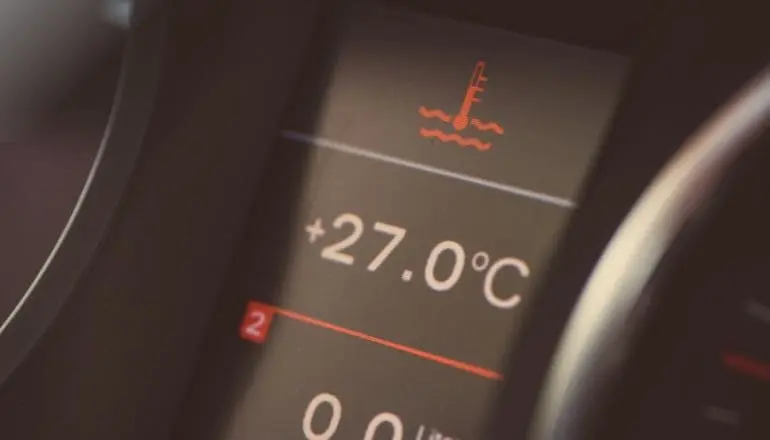
The dashboard temperature gauge gives an early indication that there is a problem with cooling. A gauge that frequently runs hot suggests a developing problem.
In case there is overheating, you should pull over and switch off the engine to prevent damage.
5. Inspect the Water Pump
Coolant circulates in the radiator and engine through the use of the water pump. Without it, cooling cannot occur effectively.
Strange sounds or visible leaks around the pump are usually indicators of failure and need urgent repair.
6. Use the Right Coolant
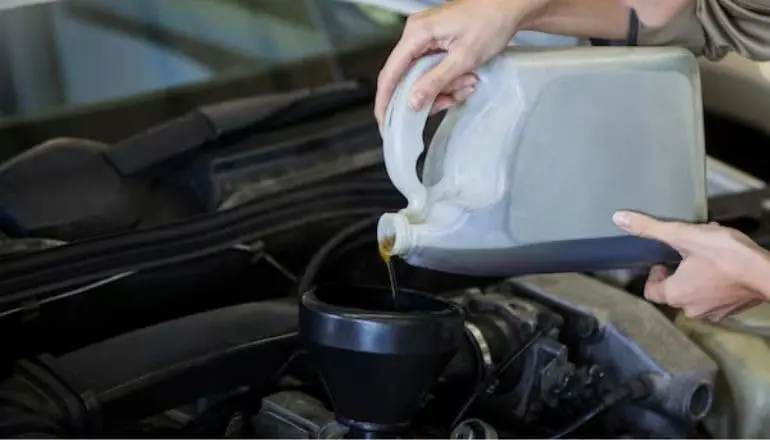
Corrosion prevention and heat regulation cannot be achieved without the use of the appropriate type of coolant. Various engines have their own coolant formula.
The manufacturer will always recommend the type of coolant and mix ratio to use to ensure efficiency in the system.
7. Regular Professional Inspections
Annual inspections by a qualified mechanic provide an added layer of protection. Professionals are able to see through the cracks and identify issues early.
A good car radiator repair service provider will be able to check the health of the cooling system and prevent expensive repairs in the future.
Summer-Specific Tips for Cooling System Care
Hot weather conditions subject the cooling system to extra strain. The following practices can help ensure stable engine temperatures.
1. Check Coolant Levels More Frequently
An increase in temperatures causes the cooling system to work harder. Driving during the summer can cause the level of coolant to decrease.
Frequent car cooling system service will ensure that there is sufficient fluid to avoid overheating and damage to the engine.
2. Shade and Ventilation
Interior heat is minimised by having a sunshade or parking in shaded places. Reduced cabin temperatures mean that the cooling system is not overstrained.
Clear air vents and unobstructed airflow are also known to enhance cooling efficiency in hot weather.
3. Avoid Overloading the Vehicle
Excessive weight puts additional pressure on the engine, which exposes it to overheating. This strain becomes more significant during the summer months.
Removing unnecessary items helps the engine operate efficiently and reduces stress on the cooling system.
4. Turn Off the AC When Climbing Hills
Uphill driving requires more engine power. Air conditioning adds extra load and generates more heat.
When climbing a hill, it is recommended to switch off the AC as it will ensure the engines operate at safe temperatures and the chances of overheating are minimized.
Signs of Cooling System Issues
 Early detection of warning signs enables drivers to address issues before they result in serious damage.
1. Coolant Leaks
Puddles of coolant under the vehicle indicate leaks within the system. Coolant is normally sweet-smelling and green, yellow or orange in colour.
It is necessary to get the issues fixed promptly to avoid overheating caused by low coolant levels.
2. Rising Temperature Gauge
A consistently high temperature gauge signals a cooling system malfunction. The reasons can be low coolant, failure of the thermostat or radiator blockage.
Early maintenance by a radiator shop Perth stops overheating and expensive damage to the engine.
3. Steam from the Hood
Steam under the hood means that the vehicle is severely overheated. Driving with such a condition may lead to severe engine damage.
Pull over immediately, turn off the engine, and allow it to cool before seeking assistance.
4. Unusual Noises
If you hear squealing or grinding sounds from the engine area, it can indicate a malfunctioning water pump or a loose belt.
Ignoring these sounds can lead to cooling system failure and further mechanical issues.
Final Thoughts
The cooling system plays a critical role in protecting your engine and the general well-being of your vehicle. Frequent service by a radiator repair service will ensure that there is no overheating, increased fuel efficiency and will extend the life of your engine.
Through proper maintenance and seasonal care, car cooling system service becomes a powerful tool for ensuring long-term reliability. Regular attention to this system will ensure that your car remains reliable, efficient and ready for the road.
Also Read: Car Radiator Repairs in Perth – Local Experts Share Maintenance Tips
FAQ’s
Q. 1 Why is the cooling system so important for my vehicle?
Answer 1:
The cooling system maintains the temperature of the engine and prevents overheating during operation. It keeps the engine parts protected from heat damage and helps to maintain regular performance.
Q. 2 What happens if I skip regular cooling system servicing?
Answer 2:
Avoiding regular car radiator repair Perth can result in worsening of minor problems, which might result in overheating or component malfunction. This exposes the engines to more risk of being damaged and having unexpected breakdowns.
Q. 3 How often should a cooling system be serviced?
Answer 3:
The cooling system must be checked at least once a year. The service period can vary depending on the driving conditions and recommendations of the manufacturer.
Q. 4 What are common signs of cooling system problems?
Answer 4:
Common signs include coolant leaks, a rising temperature gauge, the appearance of steam on the hood, or strange engine sounds. These symptoms suggest that the system can’t regulate the temperature correctly.
Q. 5 Can cooling system issues cause sudden breakdowns?
Answer 5:
Yes, failure of the cooling system may cause unexpected overheating and engine malfunction. The engine can also suffer irreparable immediate damage without adequate cooling.
Q. 6 Does cooling system service help prevent costly repairs?
Answer 6:
Frequent maintenance by a professional car cooling system service Perth should be used to detect and solve minor problems before they arise. The preventive strategy minimises the risk of major repairs and high costs.