

March 10, 2026
A combined timing belt service protects the precision that keeps the vehicle’s engine operating at its engineered standard. With every rotation of the crankshaft, the camshaft must open and close the valves at exactly the right moment for proper circulation of coolant in internal components. These systems’ maintenance intervals have a similar kilometre range, which makes coordinated servicing a practical approach.
This blog explains why they are replaced together, what the service includes, how to replace the water pump and timing belt and when you should schedule it.
What Is a Combined Timing Belt Service?
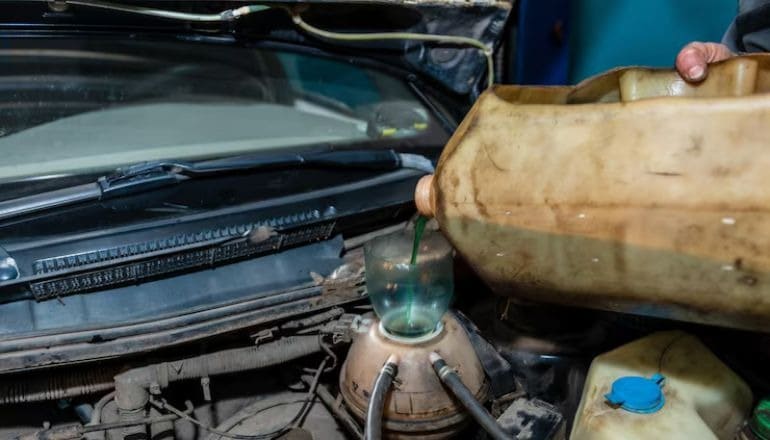
A combined timing belt service includes the replacement of the timing belt (also known as the cambelt) and water pump in one scheduled maintenance. In most of the vehicles, these components are connected to the same section of the engine. The timing belt may directly drive the water pump or both sit behind the same timing cover.
At the time of servicing, technicians commonly replace the following parts:
1. Timing belt
2. Water pump
3. Tensioner
4. Idler pulleys
5. Seals and gaskets
6. Fresh coolant
Understanding the Timing Belt
The timing belt synchronises the crankshaft and camshaft so that engine valves open and close in precise coordination with piston movement. This synchronisation assists in maintaining combustion efficiency and prevents internal damage.
Significance of Water Pump Does
The water pump circulates coolant through the engine block, cylinder, and radiator. This continuous movement of coolant maintains a safe operating temperature, which is typically around 90-105°C. Water pumps contain bearings and seals that have a similar lifetime to the timing belt.
Why Replace the Timing Belt and Water Pump Simultaneously?
Timing belts and water pumps commonly reach the end of their lifespan within similar kilometre ranges. If you insist on replacing timing belts alone from the autocare shop, the risk of water pump breakdown increases due to seal wear or bearing issues.
On the other hand, if you replace only the water pump, the old timing belt may alter its tension and weaken internally over time. Its impact may lead to poor engine performance or complete engine failure.
Things to Know Before Replacing a Timing Belt and Water Pump
The replacement of a timing belt and water pump requires technical expertise. If you understand how the car’s engine works and the associated system components, then you can proceed with changing these components. Otherwise, visit an auto repair shop to replace the timing belt and water pump.
What Is The Appropriate Time For Timing Belt Replacement In Perth?
The most appropriate time to replace the timing belt is between 80,000 km and 160,000 km or every 5 to 7 years, whichever comes first. The precise figures depend on your vehicle’s make and model.
What’s Included in a Quality Combined Timing Belt Service
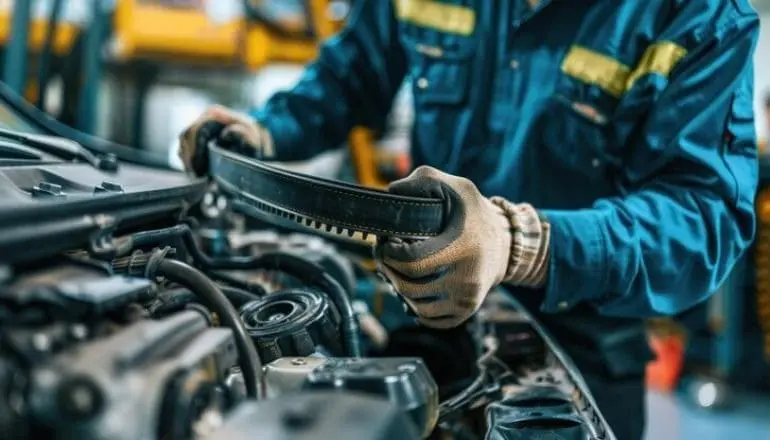
There are six crucial things required for water pump and timing belt replacement service. The following is a side-by-side view of each component, its function and reason for replacement:
| Component | Function | Reason for Replacement |
|---|---|---|
| Timing Belt | Synchronises crankshaft and camshaft | Scheduled maintenance item |
| Water Pump | Circulates coolant | Prevents overheating and future labour duplication |
| Tensioner | Maintains belt tension | Avoids slippage and noise |
| Idler Pulleys | Guide belt rotation | Prevent uneven wear |
| Seals/Gaskets | Prevent leaks | Enhances long-term reliability |
| Coolant | Transfers heat | Required when the pump is replaced |
Signs You May Need Combined Timing Belt Service
The following are a few common signs that indicate you need car repair services related to timing belt and water pump wear:
Timing Belt Warning Signs:
1. Engine misfiring
2. Rough idle
3. Ticking or chirping noise from the engine bay
4. Visible cracks or fraying (if inspected)
Water Pump Failure Symptoms:
1. Coolant leaks beneath the vehicle
2. Overheating gauge readings
3. Whining or grinding noise near the timing cover
4. Steam from the engine bay
5. Frequent coolant top-ups
Even if no symptoms are present, preventative replacement from regional experts like auto repairs Perth is essential when your car has travelled the threshold distance.
What is the Timing Belt Replacement Cost Perth?
Here is a quick look at the replacement cost of each component during the combined timing belt servicing from auto care shops:
| Component | Typical Range (AUD) |
|---|---|
| Tensioners & Idler Pulleys | $120 – $300 |
| Tensioners & Idler Pulleys | $100 – $200 |
| Water Pump | $90 – $500 |
| Seals & Gaskets | $30 – $100 |
Most combined services fall within $650 – $1,050 AUD. However, vehicles that have complex engines may cost more than the estimated range.
Note: Price mentioned here is just a rough estimate, confirm with mechanics or service centre to know the exact cost.
Also Read: How Much Will A Timing Belt Replacement Cost You?
Factors That Influence The Cost Of Combined Timing Belt Service
There are three main factors that influence the cost of combined timing belt servicing, which are as follows:
1. Engine Accessibility: The complexity of the engine increases the duration as well as the pricing for making the repairs.
2. Vehicle Make and Model: Vehicles that only support premium parts may cost more to replace the timing belt and water pump.
3. Additional Work: If necessary, workshops often replace associated parts such as camshaft seals, crankshaft seals or pulleys. This preventive approach avoids future wear and tear.
Diagnostic Insight from Auto Mechanics
At the time of timing belt replacement, mechanics carry out detailed checks. These checks begin with the removal of the belt, manual rotation of the water pump to assess bearing smoothness and resistance.
If they indicate any grinding sensation, uneven drag or lateral shaft movement, it means there is bearing fatigue. Technicians also inspect the pump weep hole for dried coolant residue. In addition, perform the testing of overall system components so that your car stays in functional condition.
Final Thoughts
The replacement of the timing belt and water pump together is a preventive approach to possible engine wear and tear. The combined servicing reduces the chances of system breakdown because both components share similar life spans and labour access points. The ignorance of one while replacing the other may lead to overheating, poor performance, and damage in the engine bay.
By following the manufacturer’s recommended intervals and addressing early signs, you can get reliable performance from your vehicle.
FAQ’s
1. What happens if the timing belt breaks?
Answer 1:
If the timing belt breaks, the crankshaft and camshaft lose synchronisation. It can cause the pistons and valves to collide, which results in severe internal engine damage.
2. What are common signs that the timing belt or water pump is failing?
Answer 2:
Some of the common signs of timing belt or water pump failure identified during car repair Perth are engine misfiring or whining sounds from the timing cover area. Moreover, visible belt cracks or frequent coolant top-ups can also indicate wear.
3. Is it safe to drive with a worn timing belt?
Answer 3:
No, you should not drive your vehicle if it has a worn timing belt. A sudden breakage may lead to complete engine failure and increase the risk of accidents.
4. How long does timing belt and water pump replacement take?
Answer 4:
Most replacements take between 1 to 3 hours. But the actual duration depends on your car’s make, model and engine type.
5. What’s included in a full timing belt replacement service?
Answer 5:
A full timing belt replacement Perth typically includes a new timing belt, tensioner, idler pulleys, water pump, seals and fresh coolant. The fresh installation of all of these new components reduces the risk of engine wear across automobiles.
6. How can I extend the life of my new timing belt?
Answer 6:
You can extend the lifespan of the timing belt by following the manufacturer’s recommended service intervals and ensuring proper belt tension during installation. Moreover, regular cooling system maintenance and prompt repair of leaks help to maximise lifespan.