
May 26, 2026
When you look at your car, the paint looks just fine. However, one thing most people do not know is that under that shiny look, environmental dirt slowly damages the car paint every day. Learning how environmental dirt affects your car’s paint can help you maintain its glossy finish and protect its appearance for a long time. So keep reading to find out the best ways to keep the paint of your car protected all year round.
Why Is Your Car’s Paint More Vulnerable Than You Think?
The paint of your car acts as the first line of defence against environmental damage. Even a thin layer of dust can have a serious impact on the clear coat. And when this protective layer gets weakened, the deterioration of the underlying layer starts accelerating.
How Does Daily Dirt Build-Up Affect Your Car?
When you drive your car, dust and debris come into contact with your car. These elements settle and accumulate, and with time become more harmful than they might appear.
What Happens When Dirt Stays Too Long?
1. Fine dust can scratch your car’s paint like sandpaper, causing tiny marks that damage the finish over time.
2. Moisture accumulates against the paint due to accumulated dirt
3. Layers of dirt will eventually diminish the paint’s original gloss
4. Over time, continued exposure to the elements will cause your vehicle’s paint to dull out
If you do not clean your vehicle on a routine basis, you will eventually damage your vehicle’s paint finish.
How Dirt Damages Car Paint Over Time?
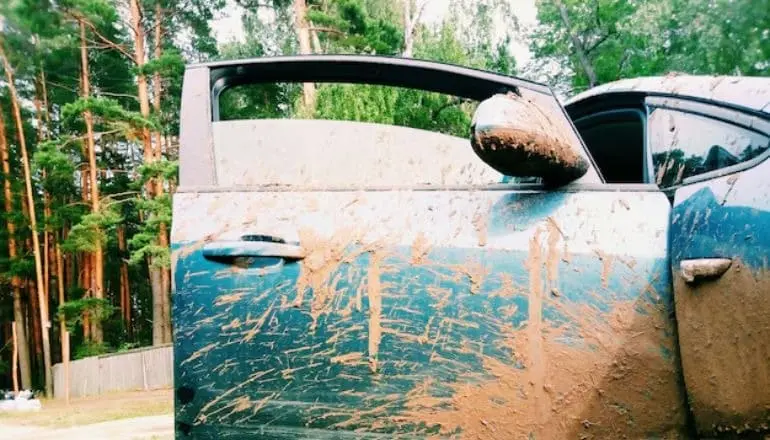
When people talk about how dirt damages car paint, they often underestimate how quietly the damage builds up. It’s not one sudden event; it’s a slow, daily process that chips away at your car’s finish.
Think about all the fine dust settling on your car. It doesn’t just sit there. When you drive, touch, or even lightly wipe the surface, those particles move around and start wearing the paint down bit by bit. With time, this friction takes away the glossy and smooth appearance of your vehicle.
Why Is Car Abrasion a Bigger Problem Than It Seems?
1. Dust particles are typically jagged and uneven.
2. Friction creates swirl marks.
3. The paint on a vehicle slowly loses its reflective quality.
4. The damage caused by dirt is compounded over time and often goes unnoticed.
Dirt is one of the most commonly underestimated threats to vehicles that slowly wears the paint.
Can Bird Droppings and Bug Splatter Really Cause Damage?
Yes, but at a much more accelerated rate than dirt will. Bird droppings and bug splatter are acidic compounds, and if they are not removed in a timely manner, they will permanently affect the paintwork.
These elements react with the clear coat of your car. In warmer Australian climates, this reaction can take place in a matter of hours, resulting in etching marks.
Why Are These Contaminants So Harmful?
1. High acidity breaks down protective layers
2. Heat intensifies chemical reactions
3. Stains become permanent if ignored
4. Surface etching requires professional repair
Go online and search for auto care services and get a quick removal to prevent lasting damage.
What Role Do Tree Sap and Industrial Fallout Play?
Two overlooked hazards that are not necessarily something people think about but still affect your car’s paint every day are tree sap and industrial fallout. Both of them bond strongly to your vehicle’s exterior paint, making them extremely difficult to remove.
Tree sap solidifies with time and sticks to your paint’s surface. Industrial fallout (brake dust, iron particles) becomes embedded in the vehicle paint, which can ultimately cause rusting issues.
Key Risks You Should Know
1. Sap becomes stubborn and cannot be removed easily
2. Tiny iron particles create small rust spots
3. Surface contamination worsens over time
4. Removing improperly may scratch the paint.
These elements must be treated with care to reduce the chances of additional damage.
How Do Pollution and Dust Work Together?
Vehicles in urban areas are subjected to a variety of pollution and fine particles, which, combined, create a damaging layer that significantly reduces the longevity of paint. Chemical contaminants present in polluted air along with dust particles damage your paint. This is a big issue when you live in metropolitan areas of Australia.
Effects You Might Notice
1. Gradual fading of paint colour
2. Loss of gloss and smoothness
3. Increased surface roughness
4. Persistent stains that don’t wash off
Regular maintenance helps minimise these combined effects.
How Can You Tell If Your Paint Is Already Affected?
Paint deterioration often starts subtly, and the early warning signs often get ignored and turn into severe problems. This is why recognising such signs is essential.
Look Out for These Signs:
1. Dull or faded finish
2. Visible swirl marks in sunlight
3. Rough texture when touched
4. Stains that remain after washing
5. Uneven colour patches
These indicators suggest your car needs immediate professional car cleaning services.
What Are the Best Ways to Prevent Dirt Damages On Car Paint?
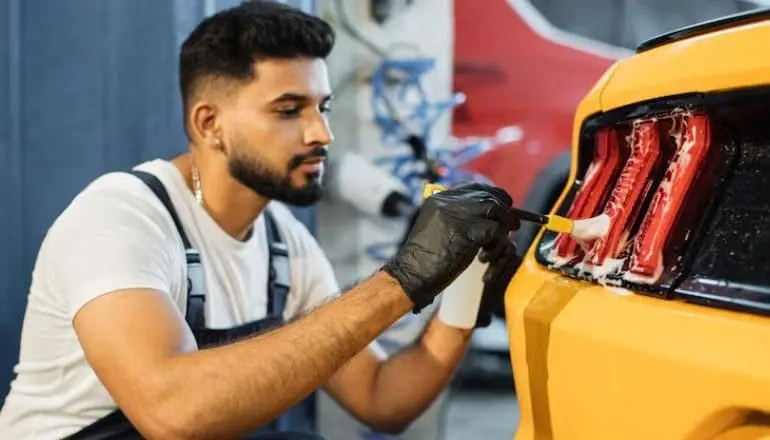
It is far easier to avoid damage than to fix it once it has occurred. To maintain your vehicle’s glossy finish longer, regularly taking good care of it can make a huge difference.
Simple Preventive Steps:
1. Wash your car every 1-2 weeks
2. Use non-abrasive, pH-balanced cleaning products
3. Do not use a dry cloth for wiping off dirt or dust
4. Always rinse before washing
5. When drying your car only use a towel made of microfiber
Being consistent and professional cleaning at the best car wash in Perth will help you keep your vehicle looking smooth and shiny for years.
Should You Use Protective Coatings for Extra Safety?
Environmental contaminants cannot affect the paint of your car if you use protective coatings. Protective coatings are very effective in defending your car’s paint against long-term damage and wear.
When you add wax, sealants or ceramic coatings, it becomes tough for pollutants and dirt to cause damage to your vehicle’s surface. This is why a lot of Perth auto detailing experts recommend such coatings to make sure you have a spotless car for years.
Benefits of Protective Coatings:
1. Easier cleaning and maintenance
2. Reduced risk of scratches
3. Enhanced shine and depth
4. Protection against UV rays and pollution
Investing in protection saves money on future repairs.
What Mistakes You Must Avoid?
A lot of homeowners make mistakes during their DIY car wash sessions that damage the paint on their cars. By avoiding these habits, you will make sure that your paint remains perfect and shining for a long time.
Common Errors That Cause Damage
1. Wiping your vehicle with dirty or rough material.
2. Failing to wash your vehicle regularly.
3. Scrubbing with no rinsing.
4. Ignoring bird excrement.
5. Washing in direct sunlight.
Making minor adjustments to your cleaning habits can help reduce the amount of wear placed on your vehicle’s paint.
Conclusion
A lot of people do not pay attention to environmental dirt because they do not understand the long-term impact it can have on their car. When you know how dirt damages car paint, you take the steps needed before minor issues turn into costly repairs. As Australia has a varied climate, regular cleaning and protective coatings are quite important in ensuring that your car maintains its beautiful appearance and value for years.
Also Read: DIY vs. Professional Car Detailing: Why Perth Drivers Choose the Experts
FAQ’s
Q.1 Can sunlight and UV rays damage car paint?
Answer 1:
According to top auto repair perth services, prolonged exposure to UV radiation and sunlight fades paint over a period of time, resulting in a weakened clear coat and dull surface. This makes a car more susceptible to damage by dirt and contaminants.
Q.2 Does air pollution cause paint fading on cars?
Answer 2:
Because of air pollution, chemicals accumulate on the surface of your vehicle. As time passes by, these chemicals break down the paint over a period of time if they are not cleaned frequently enough. As a result, you can experience discolouration, fading, or lose the shine of your car.
Q.3 How does humidity impact car paint condition?
Answer 3:
Such an environment allows dirt and pollutants to stick more readily to the surface of your car. This can also result in water spots and staining, damaging the paint if left uncleaned for a long period of time.
Q.4 What is the safest way to remove dirt without scratching paint?
Answer 4:
When you are cleaning your vehicle, rinse properly to make sure that there is no dust and debris on the surface. Do not dry-wipe as it can drag dirt and result in scratches. Always use a clean microfiber cloth and gentle cleaning products.
Q.5 Should I wash my car immediately after rain or dust storms?
Answer 5:
It is highly recommended to wash your vehicle as soon as possible after such events. The rain or dust can leave behind contaminants on the surface of your vehicles’ paint, which can lead to possible stains and long-term damage to your vehicle.
Q.6 Is ceramic coating effective against dirt and pollution?
Answer 6:
Yes, ceramic coating does protect from dirt and pollutant build-up. According to the best car detailing Perth services, not only does it keep the dirt, water, and other contaminants off the surface of your vehicle, but they also provide a barrier that helps to keep other contaminants from bonding to your paint surface.
Q.7 How do I know if dirt has damaged my car’s paint?
Answer 7:
Dullness, swirl marks, roughness, and stains that no longer come off all indicate that dirt has caused damage to your vehicle’s paint. If you observe any of these signs, there is no question that your vehicle’s paint has been damaged by dirt and contamination.