

April 09, 2026
The wheel alignment after suspension repair helps to maintain proper tyre contact with the road and steering stability. Suspension components determine how tyres meet the road surface, and their adjustments or replacement can shift these angles. If alignment is not carried out afterwards, several gradual issues may develop.
In this context, this blog explains what happens if alignment is ignored after suspension repair, how it affects tyre lifespan and vehicle safety.
The Correlation of Car Suspension Repairs and Wheel Alignment
The vehicle’s suspension system provides support for its body while its wheels can travel over different road conditions. The movement control of each wheel depends on multiple components, which include struts, springs, ball joints, tie rods and control arms.
The wheel positions may experience minor changes when the components undergo either repair or replacement. The factory settings, which determine tyre contact with the road surface, become altered through mechanical changes.
Therefore, professionals of auto repairs Perth conduct wheel alignment checks after suspension work to check whether the wheels match the manufacturer’s recommended measurements. The wheel alignment measurements derive from three essential angles, which are as follows:
| Alignment angle | What does it control? | Significance |
|---|---|---|
| Camber | The inward or outward tilt of the vehicle’s tyre | Influences tyre contact with the road and cornering balance |
| Toe | The direction of the tyres’ points relative to each other | Affects straight-line movement and tyre lifespan |
| Caster | Angle of the steering pivot | Supports steering stability and return to centre |
What Happens If You Skip Wheel Alignment After Suspension Repair?
There are four main possibilities often reported by auto shop Perth that may occur due to negligence of wheel alignment after the suspension repairs. These are as follows:
1. Uneven Tyre Wear
One of the earliest consequences of missing wheel alignment after suspension wear is uneven tyre wear. Tyres are made to rotate evenly across the road surface. If the wheel angles are incorrect, the thread sections may experience more friction than other components.
This imbalance may create the following wear patterns:
– Excess wear along the inner tread edge
– Outer shoulder deterioration
– Feathered or scalloped tread surfaces
The above patterns may reduce tyre durability and may shorten the lifespan of the vehicle’s tyres. Uneven tyre fitting and alignment may also reduce the grip levels during braking or in wet conditions.
2. Increase in Fuel Consumption
The most often reported issues are high rolling resistance of wheels. If tyres are misaligned, they do not move freely along the road surface and drag slightly sideways while rotating. This resistance forces the vehicle’s engine to produce more power to maintain the speed. Over time, high rolling resistance may lead to the following issues:
– Gradual reduction in fuel efficiency
– Higher operating costs
– Less efficient long-distance travel
Correct alignment through an auto care shop Perth reduces the excessive friction between the tyre and road surface. It allows the automobile to travel more efficiently.
3. Additional Load on Suspension Components
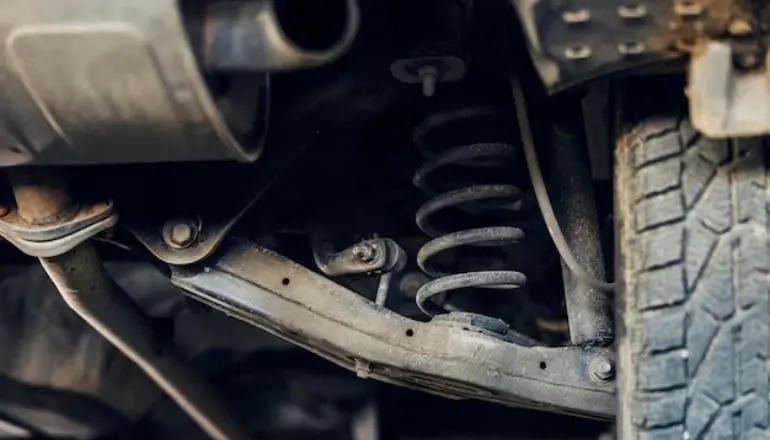
Suspension components operate within carefully designed movement ranges. If the wheel alignment is incorrect, forces acting on these components may become uneven. This uneven movement of vehicle components may strain the following areas:
– Control arm bushings
– Ball joints
– Steering tie rods
– Suspension linkages
With prolonged usage, these parts may wear more quickly because they must compensate for the incorrect wheel positioning.
Completion of system calibration after the suspension servicing through wheel alignment Perth professionals helps to distribute forces evenly across the vehicle.
Also Read: When Should You Replace Car Ball Joints in Perth?
4. Steering Instability
Another reason why many drivers search for a nearby auto care shop is the shaking steering wheel. If the tyre angles move outside their intended range, the vehicle may no longer track the straight path. Because of steering instability, the driver may experience the following issues:
– Constant pulling toward one side of the road
– A steering wheel that sits slightly off-centre
– Difficulty maintaining a straight driving line
These issues may occur if the wheels are not pointing in the same direction. As a result, the vehicle naturally drifts towards one side of the road. In such situations, the driver needs to adjust the steering wheel repeatedly to keep the vehicle moving in a straight line.
Why Should the Wheel Alignment Be Done Immediately After Suspension Repair?
Once the car suspension repair is done, restoration of the correct wheel position through car alignment service Perth professionals prevents the chances of uneven wear. Some of the main reasons to complete wheel alignment in a prompt manner include:
1. Protecting newly installed suspension parts
2. Preserving tyre condition
3. Restoring accurate steering behaviour
4. Maintaining predictable handling
Car workshops perform this procedure using specialised equipment that measures the position of each wheel relative to your vehicle’s frame. The vehicle inspection Perth workshop’s digital sensors compare these readings with the manufacturer’s specifications and guide technicians during the adjustments.
Signs of Wheel Alignment Issues

There are four major signs you may notice if there are underlying wheel alignment issues in your vehicle. These include:
1. The vehicle drifts left or right on straight roads.
2. Uneven tread patterns forming on tyres.
3. Steering wheel vibration while travelling at certain speeds.
4. The steering wheel position appears crooked.
If you notice any of these signs, stop your vehicle and book a mobile car care service to get the issues fixed right away. A mobile service helps you get quick fixes related to tyre issues. The mechanic may also suggest that you take preventive steps to avoid future occurrences of uneven wheel damage.
When Should The Wheel Alignment Be Done Besides Suspension Repairs?
Automotive technicians recommend wheel alignment in several situations. Some of the most preferred situations for wheel alignment and car tyre repair include:
1. When installing new tyres.
2. Following impacts with potholes or kerbs.
3. If tyres begin wearing unevenly.
4. After every 5,000 km to 10,000 km of travelling.
Preventive Maintenance Tips To Prevent Wheel Alignment Issues
Drivers can reduce wheel issues through consistent vehicle maintenance practices. Here are a few helpful measures:
1. Checking tyres periodically for unusual wear patterns.
2. Including alignment inspections during scheduled servicing.
3. Use wheel balancing Perth services according to manufacturer recommendations.
4. Driving carefully over damaged road surfaces.
Final Thoughts
Automobile suspension servicing restores the important mechanical components. However, proper vehicle geometry must also be re-established afterwards. For that reason, wheel alignment after suspension repairs makes sure that your vehicle’s wheels return to their intended angles and allows tyres to maintain even contact with the road surface. Completing the wheel alignment in a prompt manner protects tyres, supports stable handling and helps to maintain the reliability and efficiency of the vehicle.
FAQ’s
1. How do I know if my alignment is off after repairs?
Answer 1:
A vehicle with incorrect alignment may pull to one side, have a steering wheel that sits off-centre, or show uneven tyre wear. Drivers may also notice vibrations in the steering wheel or difficulty keeping the vehicle travelling straight.
2. Which suspension repairs require wheel alignment?
Answer 2:
Wheel alignment is usually recommended after repairs involving components that influence wheel positioning, such as control arms, struts, ball joints, and tie rods. Any repair that changes suspension geometry can alter wheel angles and requires alignment adjustment.
3. Can poor alignment damage new suspension parts?
Answer 3:
Yes, incorrect alignment can place uneven pressure on suspension components and steering linkages. Over time, this additional stress may accelerate wear in newly installed parts and reduce their expected lifespan.
4. Is alignment required after minor suspension bush replacement?
Answer 4:
In many cases, replacing suspension bushings can slightly alter the position of connected components. Because these changes may affect wheel geometry, technicians often recommend checking alignment after the replacement.
5. What alignment angles are adjusted after suspension repairs?
Answer 5:
Professionals at autocare shops usually adjust camber, toe, and caster during a wheel alignment procedure. These angles determine how the tyres sit on the road surface and how the steering system behaves during driving.